Trade shows versus webinars
Both cost more than the invoice suggests. Real cost per qualified conversation, and the industries where the older channel still wins outright.
Part of Acquisition channels that survive scrutiny
Ask a marketing team which is the smarter spend, a trade show stand or a webinar series, and you will usually get an answer that has nothing to do with either channel and everything to do with which one the team ran most recently and liked. The trade show people will tell you webinars produce a list of names who registered to get a PDF and never open your emails again. The webinar people will tell you the stand produced eleven business cards, four of which were other exhibitors being polite. Both of these stories are true often enough that neither side is lying, and the argument keeps happening because the two channels are being compared on the wrong basis.
The honest comparison is not cost per lead and it is not cost per attendee. It is cost per qualified conversation, and it has to put staff time on both sides of the ledger — the days your team spends walking a hall are exactly as real a cost as the days they spend building slides and rehearsing a pitch, and most comparisons of these two channels count one and ignore the other.
What a trade show actually costs
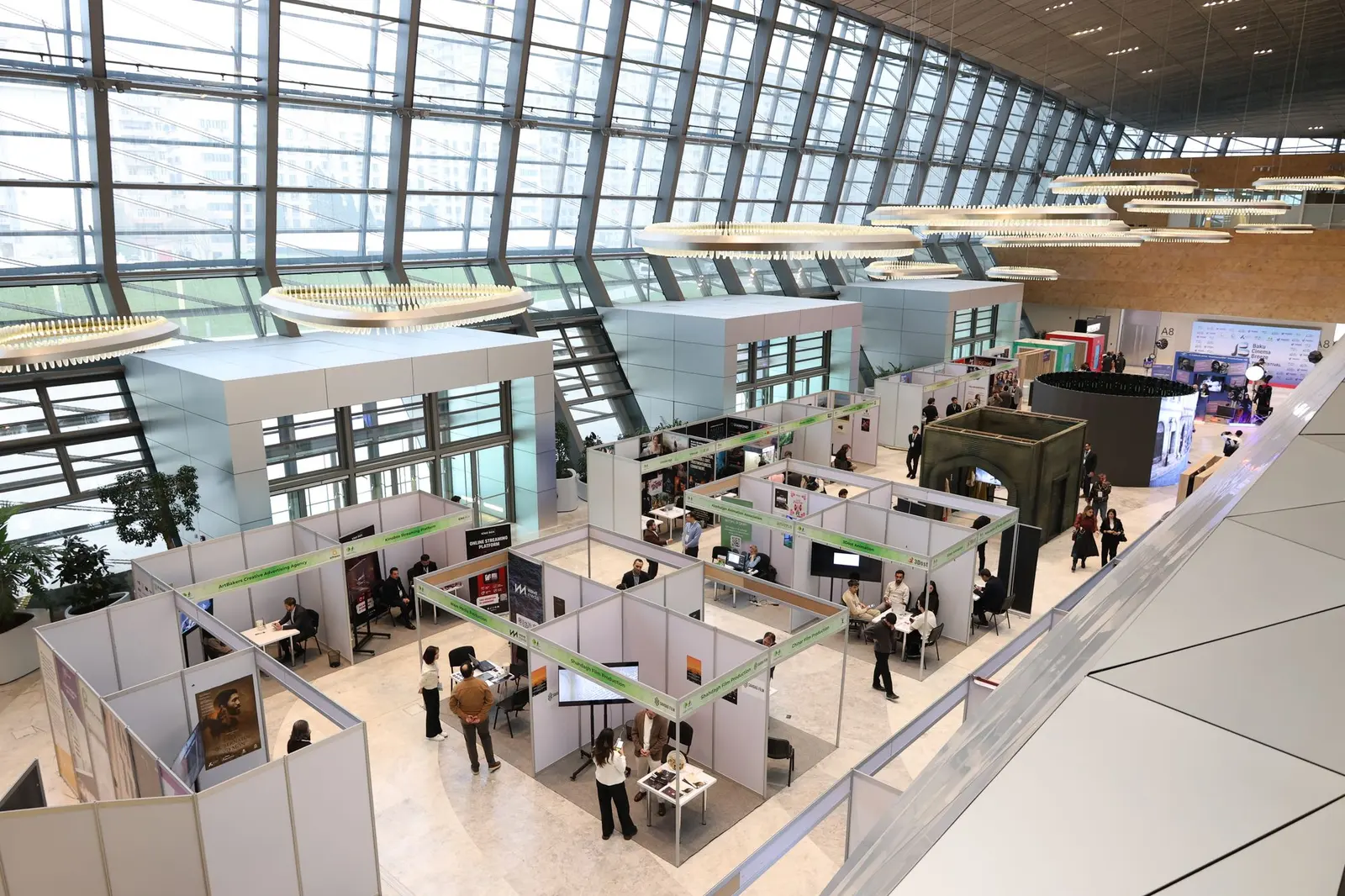
The invoice for a stand is the smallest number on this list, and treating it as the number is where the comparison goes wrong. A modest floor space at a mid-tier industry show, the shell scheme or custom build to fill it, signage, and shipping the materials there and back is a real line item, but it is rarely more than a third of what the show actually costs once everything else is added.
Travel and lodging for however many people staff the stand, for the show plus a setup day and a teardown day, is the second real cost, and it scales with headcount in a way exhibitors routinely underestimate — a three-person stand for a four-day show is closer to fifteen person-days away from the office than four.
The largest hidden cost is staff time itself. A senior salesperson standing at a booth for four days is not selling anywhere else for four days. Companies that skip this line are not saving money. They are moving the cost off the marketing budget and onto a line nobody totals.
Then there is the backlog. Every stand produces a stack of business cards, badge scans, and scribbled notes, and its value decays fast — a lead who spoke to you on day one of a four-day show and hears nothing until three weeks later has, in practical terms, forgotten the conversation. Building the follow-up capacity to work that backlog inside a week, not a month, is a cost that belongs to the show even though it happens back at the office, and it is the cost most consistently left off the spreadsheet.
What a webinar actually costs
Webinars have the opposite problem: the invoice is close to zero, which makes the real cost easy to hide inside people's calendars instead of a budget line.
Promotion is the first cost, and it is not optional — a webinar with no promotion budget gets the house list and nobody else, which means the registration number is just a measure of how many people were already going to hear from you anyway. Paid promotion, a partner's list, or a genuine content push to reach people outside the existing audience costs either money or the same staff time a trade show costs, just spent differently.
The second cost is the expert's hours, and it is larger than it looks. A credible one-hour session is rarely built in one hour of preparation. Structuring the content, building the slides, and rehearsing twice — once alone, once after the first rehearsal reveals what does not land — easily adds up to several days across the two weeks before the session.
The third cost is the one webinar advocates leave out entirely: a technical run-through with everyone who will be on camera. Screen-share failures, audio drops, and slide problems are the most common reason a live session loses part of its audience in the first five minutes, and preventing that is another block of calendar time a spreadsheet built only from the platform's monthly fee never captures.
Attendance is not attention, and the no-show rate breaks the arithmetic
Here is where the webinar case usually falls apart under scrutiny. Registration is not attendance. A significant share of anyone who registers for a live session will not show up live — they intended to, something came up, or the calendar invite got buried, and by the time the session starts they are somewhere else entirely.
Take a webinar that registers two hundred people. If close to half of them never join live, the session runs to something closer to a hundred, and the honest cost-per-attendee figure just doubled without a dollar changing hands. Webinar organizers who quote registration numbers to justify the channel are, whether they realize it or not, quoting the figure that overstates the result and hiding the one that would correct it.
The recording partially rescues this — a well-promoted on-demand version can accumulate more total views over a quarter than the live session had attendees. But a recording watched alone, at half speed, with no chance to ask a question, is a meaningfully different kind of contact than a live session where someone typed a question into the chat and got an answer from a person. Counting the two the same way is how webinar programs convince themselves they are working better than they are.
A trade show does not have a no-show problem in the same sense — the people standing in front of your booth are, definitionally, present — but it has the mirror-image version. A large share of anyone who stops at a stand is filling time between sessions or collecting a branded pen, not evaluating a purchase. The stand converts a smaller fraction of its traffic into a real conversation than the raw badge-scan count suggests, for reasons structurally similar to a webinar's no-show problem: presence is cheap, engagement is not, and the number everyone quotes is the cheap one.
| Trade show | Webinar | |
|---|---|---|
| What the invoice shows | Stand, build, shipping | Platform fee, sometimes promotion |
| What it actually costs | Above, plus travel, lodging, and staff days away from the desk | Above, plus the expert's preparation and rehearsal hours |
| The inflated number | Badge scans and business cards | Registrations |
| The real number | Conversations that went past small talk | Live attendees who stayed to the end |
| Decay if follow-up is slow | Fast — the conversation is forgotten within weeks | Slower — a recording link still has some pull |
Where buyers still expect to meet you in person
None of this argues that trade shows are the worse channel in general, because the comparison is not general — it depends entirely on what is being sold. There are entire industries where the in-person meeting is not a nice-to-have version of the sales process, it is the sales process, and a webinar cannot substitute for it no matter how well produced.
Industrial equipment and heavy machinery are the clearest case: a buyer evaluating a large capital purchase wants to see the thing run, stand next to it, and compare it against two competitors' machines in adjacent booths the same afternoon — a side-by-side evaluation no webinar schedule can replicate. Medical devices sit in a similar place: regulatory sensitivity and hands-on evaluation both push the decision toward a physical demonstration, often with a compliance conversation at the same table. Construction and specialty manufacturing carry the same pattern: the product is physical, the evaluation is physical, and buyers build an annual travel budget around the two or three shows where every relevant supplier is in one hall.
What these industries share is not size, it is that showing up is itself part of the offer. A buyer who has traveled to a show has already spent a day and a flight to be there — a signal a webinar registrant never sends, because nobody flies to another city to click a link. That signal is worth paying for in exactly the industries where it exists, and worth ignoring everywhere else. Software with a short sales cycle and anything decided by one person without a demonstration are the mirror case: the buyer's time is the scarce resource, not travel budget, and a well-run webinar respects that far better than a pitch requiring two travel days.
The verdict, and the discipline that actually decides it
For a company selling something that needs to be seen, touched, or compared side by side to two competitors in the same afternoon — industrial, medical, construction, specialty manufacturing — the trade show earns its cost, because the in-person meeting is the mechanism, not a more expensive way to deliver the same message. For nearly everyone else, the webinar wins the arithmetic once both channels are costed honestly, because the staff-time cost is smaller and the reach extends past whoever happened to be in one city on one date.
But the channel choice matters less than most companies assume, because in both cases the event produces a list of names who had one good conversation, and the event is not what turns that list into revenue. Follow-up speed is. A lead worked within a few days of a trade show converts at a completely different rate than the same lead worked three weeks later once the memory has faded, and the same decay curve applies to a webinar attendee who asked a sharp question in the chat and then heard nothing back. Most companies invest heavily in the event and lightly in the week after it, which is exactly backwards: the event is the expensive part that is already paid for, and the follow-up is the cheap part that decides whether any of it mattered.
This is the same discipline that governs every channel in the broader piece on acquisition channels that survive scrutiny: a mechanism, a payback period you can survive, a ceiling you have actually counted. Both channels have hard ceilings — the people in the hall, the people willing to register — and both convert a much larger initial number into a much smaller one that was ever going anywhere. Companies with a working list to draw an audience from, the kind built by a newsletter with a real subscriber base, start a webinar series with an advantage the invoice never shows: the promotion cost above is already paid for. And companies whose customers already vouch for them informally should weigh either channel against simply investing further in the referral relationships that already convert, which in many of the same industries produces a warmer conversation than either a stand or a screen ever will.
Questions people ask
- Is a webinar always cheaper than a trade show?
- On the invoice, almost always. Once you count the presenter's preparation hours, the promotion needed to fill the room, and the fact that a large share of registrants never show, the gap narrows a lot and sometimes closes completely for products with a long sales cycle.
- What no-show rate should I plan for when budgeting a webinar?
- Plan for something close to half the list not attending live. It varies by industry and by how much friction is in the registration form, but building your cost-per-attendee math on the registration number rather than the attendance number is the single most common mistake in webinar planning.
- Which industries still justify a trade show budget?
- Ones where the purchase is large, technical, and hard to evaluate without seeing or touching the product — industrial equipment, medical devices, construction and heavy machinery, and specialty manufacturing where buyers travel specifically to compare suppliers side by side.
- What actually determines whether either channel produces revenue?
- Follow-up speed and discipline, not the event itself. A stand or a webinar produces a list of warm names; what happens to that list in the following two weeks decides almost the entire outcome, and most companies are worse at that step than at the event itself.